
7 Spring Cleaning Tips for Woodstock Homes
March 10, 2026
Deep Cleaning Guide: Post-Winter Refresh for Woodstock
March 10, 2026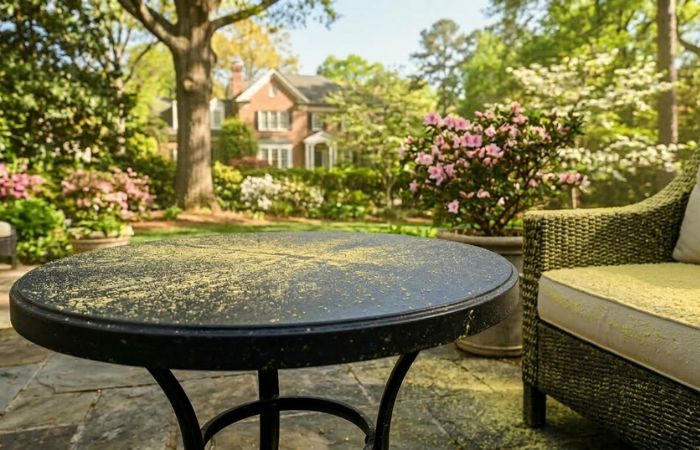
Spring in Atlanta is a season of breathtaking beauty, marked by blooming azaleas and lush greenery. However, for homeowners, it also signals the arrival of the infamous "Yellow Haze." Atlanta consistently ranks as one of the most challenging cities for pollen sufferers, as a thick layer of fine pine and oak dust coats everything from cars to windowsills.
While the outdoor scenery is lovely, the stress begins when that pollen finds its way inside. It infiltrates your HVAC system, settles deep into carpets, and clings to upholstery, affecting both the aesthetics of your home and your indoor air quality. Managing this seasonal surge doesn’t have to be an overwhelming battle. By following a strategic, professional-grade approach, you can reclaim your living space and enjoy the season without the constant layer of yellow dust.
What is the Atlanta Pollen Surge?
In the Southeast, and specifically within the metro Atlanta area, pollen season typically peaks between late March and early May. Unlike standard household dust, pollen is a biological particle designed to stick to surfaces. It is lightweight, highly mobile, and enters the home through open windows, door gaps, and even on the fur of pets or the soles of shoes.
Once inside, pollen behaves differently than organic dirt. Because of its microscopic hooks and electrostatic charge, it can be difficult to remove with simple dusting. Understanding that you are dealing with a seasonal environmental pollutant, rather than just "mess", is the first step toward effective remediation.
Why Pollen Management is Critical for Atlanta Homeowners
Ignoring pollen buildup isn't just a matter of "waiting for the rain." For property owners in Atlanta, proactive removal is essential for several reasons:
- Indoor Air Quality (IAQ): High pollen counts indoors can lead to fatigue, respiratory discomfort, and a generally "heavy" feeling in the air.
- HVAC Longevity: Pollen is a significant contributor to clogged air filters. When your system has to work harder to pull air through a debris-laden filter, it increases energy costs and creates unnecessary wear and tear on the unit.
- Surface Preservation: Certain types of tree pollen are slightly acidic. When left to sit on delicate surfaces like hardwood finishes or designer fabrics, they can cause minor abrasions or staining over time.
- Mental Well-being: There is a psychological "stress" associated with seeing a film of yellow dust on your furniture every morning. A clean home provides a sanctuary from the high-count days outdoors.
A Step-by-Step Strategy for Stress-Free Pollen Removal
To effectively clear your home of allergens, you must move beyond surface-level wiping. Follow this professional workflow to ensure the pollen is actually removed, not just moved around.
1. The "Top-to-Bottom" Wet Dusting Method
Never use a dry feather duster on pollen; this simply launches the particles back into the air. Instead, use damp microfiber cloths. Microfiber is designed to trap particles within its fibers. Start at the highest point, ceiling fans, crown molding, and the tops of bookshelves, and work your way down to the floor.
2. Sanitize Entry Points
Your windowsills and door frames act as the "gateways" for pollen. Even if you keep your windows closed, microscopic particles settle in the tracks. Use a vacuum with a brush attachment to clear the tracks, then wipe them down with a cleaning solution to create a clean seal.
3. High-Efficiency Floor Care
Carpets act as a giant filter for your home, trapping thousands of pollen spores. In Atlanta’s peak season, standard vacuuming may not be enough. Use a vacuum equipped with a HEPA (High-Efficiency Particulate Air) filter, which is rated to trap 99.97% of particles as small as 0.3 microns.
4. Manage Your Textiles
Curtains, throw pillows, and bedding are magnets for airborne yellow dust. During the height of the season, increase the frequency of washing these items. If you have been outdoors, change your clothes immediately upon entering the home to prevent transferring "hitchhiking" pollen to your sofa or bed.
Key Factors in Maintaining a Pollen-Free Zone
Consistency is the enemy of the pollen season. While a one-time deep clean is helpful, maintaining the results requires attention to these three factors:
- Air Filtration: Upgrade your HVAC filters to a higher MERV rating (typically MERV 11 to 13 is recommended for residential homes) and replace them every 30 days during the spring.
- Humidity Control: Keeping your indoor humidity between 30% and 50% helps prevent pollen from becoming overly buoyant and keeps it from sticking as aggressively to surfaces.
- The "No Shoes" Policy: This simple rule can reduce the amount of outdoor pollutants brought into your Atlanta home by up to 80%.
Common Mistakes to Avoid
Many homeowners inadvertently make the pollen problem worse by using the wrong techniques.
- Opening Windows on "Low" Days: In Atlanta, pollen counts can spike rapidly. Even if the morning feels clear, keeping windows closed during the peak six weeks of spring is the only way to truly prevent infiltration.
- Using Traditional Dusters: As mentioned, dry dusting is counterproductive. It redistributes the allergen into your breathing zone.
- Neglecting the "Hidden" Spots: People often forget to clean the leaves of indoor plants, the tops of door frames, and electronics, all of which carry a static charge that attracts pollen.
How a Professional Cleaning Service Helps
While daily maintenance is manageable, the sheer volume of pollen in the Atlanta area often requires a more rigorous approach. This is where professional expertise becomes invaluable.
A professional cleaning team understands the science of "post-settlement" cleaning. They use industrial-grade HEPA vacuums, specialized microfiber systems, and eco-friendly solutions that break the static bond between pollen and your furniture. For homeowners who are moving into a new property, finishing a renovation, or simply feeling overwhelmed by the spring "yellow coating," a professional deep clean serves as a "reset button" for your home’s environment.
By outsourcing the heavy lifting, you ensure that hard-to-reach areas, like high ceilings, intricate light fixtures, and deep carpet fibers, are thoroughly remediated, leaving you with a home that is truly clean from the inside out.
The Atlanta pollen season is a formidable opponent, but it shouldn't dictate your quality of life at home. By shifting from reactive "dusting" to a proactive, top-to-bottom removal strategy, you can significantly reduce the stress and physical discomfort associated with the spring bloom. Focus on your entry points, utilize damp-cleaning techniques, and don't hesitate to seek professional assistance to ensure your sanctuary remains pollen-free.
From residential deep cleans to professional office maintenance across Metro Atlanta, we provide the quality you deserve. Tell us about your space and let us handle the rest.