



Residential Wax Floor Care: Preservation & Maintenance Guide
June 4, 2026
Essential Summer Deep Cleaning Tips for Atlanta Homeowners
June 11, 2026
Maintaining a commercial facility involves balancing numerous operational expenses. When organizations look for areas to optimize budgets, commercial cleaning and regular facility upkeep are occasionally viewed as flexible costs. However, reducing the frequency or quality of environmental maintenance often introduces hidden organizational burdens that far outweigh short-term savings.
The physical condition of a workplace directly correlates with the operational efficiency, health, and morale of the individuals inside it. From progressive asset depreciation to increased employee absenteeism, substandard facility maintenance creates systemic friction that dampens overall corporate output. Understanding the true relationship between environmental cleanliness and organizational performance allows decision-makers to view professional maintenance not merely as an administrative expense, but as a strategic investment in productivity.
Quick Answer: Poor facility maintenance impacts workplace productivity by increasing employee absenteeism due to cross-contamination, causing cognitive fatigue from cluttered or dusty environments, and creating operational disruptions. Neglecting professional sanitation leads to preventable sick days, reduced focus, and accelerated equipment wear, which ultimately diminishes an organization's overall operational efficiency and financial performance.
Key Benefits of Proper Facility Maintenance
- Reduces Employee Absenteeism: Regular, high-level disinfection targets high-touch surfaces, significantly cutting down the spread of workplace illnesses.
- Enhances Cognitive Focus: Clean, organized spaces reduce visual distractions and cognitive overload, allowing employees to maintain higher levels of concentration.
- Improves Indoor Air Quality: Professional HVAC filtration and deep dusting remove airborne allergens, preventing fatigue, headaches, and respiratory discomfort.
- Protects Corporate Infrastructure: Routine maintenance prevents premature wear and tear on flooring, carpets, and expensive office assets, deferring capital expenditures.
- Fosters Positive Corporate Culture: A well-maintained environment signals to employees that their health, safety, and comfort are organizational priorities.
What Is Strategic Facility Maintenance?
Strategic facility maintenance is the systematic, planned upkeep of a commercial property’s interior and exterior environments to ensure safety, health, efficiency, and aesthetic appeal. Unlike reactive cleaning, which only addresses spills or visible dirt after they occur, strategic maintenance relies on consistent protocols, specialized equipment, and trained personnel to manage a facility's environmental health proactively. This includes deep carpet extraction, hard-floor restoration, high-surface dust mitigation, and target-zone sanitization designed to preserve both the physical infrastructure and the well-being of its occupants.
Why It Matters
For modern enterprises, the physical workspace serves as the foundation for daily operations. When indoor air quality degrades, micro-dust accumulates on electronics, or communal spaces become neglected, the environment begins to actively work against the workforce. A degraded environment subtly compromises health, drains physical energy, and lowers attention spans. In a highly competitive commercial landscape, losing operational momentum due to preventable environmental factors can hinder a company's ability to hit performance targets and retain top talent.
Signs It’s Time for Professional Facility Maintenance
Recognizing when standard cleaning routines are no longer sufficient is critical to preventing long-term operational declines. Organizations should look out for several key indicators:
- Frequent Short-Term Staff Absences: A noticeable uptick in employees taking consecutive or rolling sick leaves often indicates cross-contamination within communal areas.
- Visible Dust Accumulation on High Surfaces: Heavy dust on vents, light fixtures, and high shelving indicates that standard janitorial rotations are failing to manage airborne particulates.
- Persistent Musty or Stale Odors: Lingering smells generally point to deep-seated organic matter in carpets, neglected waste areas, or compromised airflow systems.
- Accelerated Wear on High-Traffic Flooring: Matted carpets, dulled vinyl composition tile (VCT) finishes, or stained grout suggest that routine mopping is no longer sufficient.
- Declining Employee Morale or Minor Complaints: Subtle complaints regarding workspace comfort, restrooms, or breakroom cleanliness often precede a drop in engagement and attention to detail.
- Accumulated Resurface Grime in Communal Zones: Sticky or smudged surfaces on shared office technology, door handles, and kitchen areas show a lack of deep sanitization.
Key Factors to Consider
When evaluating the current state of workspace maintenance, organizations must look beyond surface appearances. Key decision-making criteria should include:
- The Distinction Between Tidying and Sanitizing: Surface-level neatness does not equate to the microscopic removal of pathogens and deep allergens.
- Foot-Traffic Dynamics: High-occupancy zones, shared collaborative spaces, and client-facing areas require distinct cleaning frequencies and specialized protocols compared to storage units.
- The True Cost of Internal Management: Relying on staff members or non-specialized personnel to handle facility upkeep often pulls them away from their primary roles, lowering overall operational efficiency.
- Asset Lifecycle Management: Postponing deep maintenance for floors, upholstery, and fixtures shortens their operational lifespan, forcing early and expensive capital replacements.
Common Mistakes and Challenges
A frequent misconception among facility managers is that all cleaning services yield identical results. Many organizations fall into the trap of procuring the lowest-cost provider, which frequently results in rushed service, untrained staff, and the use of subpar chemicals that merely mask issues rather than resolving them.
Another common challenge is reactive budgeting only ordering deep cleanings before client visits or following a severe flu season. This inconsistent approach allows bio-contaminants and dust loads to build up steadily over months. When deep cleaning is performed sporadically, the accumulated damage to flooring and fixtures is often already irreversible, resulting in hidden costs that drain organizational resources.
How Professional Support Can Improve Results
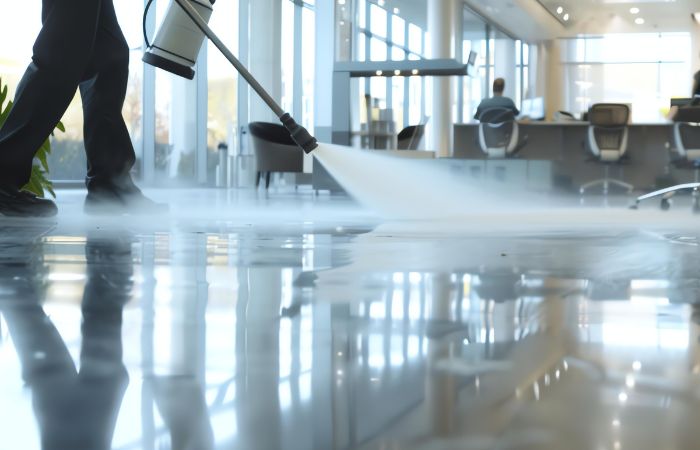
Engaging a specialized commercial maintenance partner transforms facility care from an operational headache into a structured, seamless process. Professional specialists bring advanced equipment, such as HEPA-filtration vacuums, industrial floor extractors, and hospital-grade disinfectants, which standard office supplies cannot match.
Furthermore, professional providers establish customized, scheduled maintenance frameworks tailored to the unique layout and operational hours of a business. This ensures high-traffic zones receive intensive care without interrupting daily corporate activities. By transferring these technical responsibilities to experienced specialists, organizations reduce operational risks, protect valuable real estate assets, and establish a consistently healthy environment where teams can perform at their highest potential.
Investing in systematic facility care is a foundational business decision that directly impacts human capital. When a workplace is meticulously maintained, the risks of illness drop, focus improves, and the physical asset maintains its long-term value. Rather than treating cleanliness as a variable background task, successful organizations prioritize it as a core component of their operational risk management and productivity strategy.
Providing a safe, pristine, and high-functioning environment requires consistent execution and specialized insights. Entrusting facility care to dedicated experts allows corporate leaders to eliminate operational distractions and focus internal energy precisely where it matters most: growing the core business.
To ensure your workplace supports peak operational performance and protects your corporate assets, contact our team today to request a comprehensive facility maintenance assessment.