


Commercial Carpet Cleaning Atlanta
June 4, 2026
How Poor Facility Maintenance Hurts Business Productivity
June 11, 2026
Hardwood, terracotta, linoleum, and natural stone floors are among the most significant structural investments inside a home. They establish the interior aesthetic, contribute to overall property value, and bear the brunt of daily domestic life. From busy suburban households in Alpharetta to historic residences in Inman Park, residential flooring in the Metro Atlanta area is constantly exposed to unique wear factors, including high seasonal humidity, abrasive red clay tracked from outdoors, and everyday foot traffic.
Over time, daily wear strips away the factory finish of these premium materials, leaving them vulnerable to deep scratches, moisture penetration, and dulling micro-abrasions. While routine sweeping and mopping are essential components of household upkeep, they cannot restore a degraded surface barrier or protect the underlying substrate from long-term damage. Implementing a strategic floor waxing and sealing program is a highly effective way to preserve the structural integrity of residential flooring, elevate interior aesthetics, and simplify daily maintenance routines.
Quick Answer: Residential wax floor care is a multi-step maintenance process that involves removing old, degraded finishes and applying specialized, high-grade protective wax layers to hard flooring surfaces. For Atlanta homeowners, this technique seals porous materials against moisture, fills in microscopic scratches, restores a vibrant depth of gloss, and establishes a sacrificial barrier that shields expensive flooring from daily wear and tear.
What Is Residential Wax Floor Care?
Residential wax floor care is a deep restoration and preservation process designed to defend hard flooring materials against physical deterioration. Unlike standard retail floor polishes, which often leave behind a temporary, sticky residue, professional-grade floor waxing utilizes specialized polymer or paste wax formulations calibrated to specific flooring types, such as solid wood, luxury vinyl tile (LVT), terracotta, or terrazzo.
The entire process generally relies on two primary phases: stripping and refinishing. The stripping phase utilizes carefully balanced chemical solutions to emulsify and dissolve old, yellowed, or scratched wax layers accumulated over years of use. Once the bare floor is completely clean, neutralized, and dried, the refinishing phase begins. This involves applying multiple ultra-thin coats of high-solids floor finish or paste wax, allowing each layer to cure fully to create a dense, highly durable, and protective crystalline matrix over the flooring material.
Why It Matters to Atlanta Homeowners
Operating and maintaining a home in the unique climate of Greater Atlanta presents specific challenges for interior surfaces. Georgia’s notoriously high humidity levels can easily penetrate unsealed or poorly finished floors, causing natural wood planks to cup, warp, or split, and loosening the adhesives beneath resilient tiles. Furthermore, the region's ubiquitous red clay soil contains highly abrasive quartz particles; when tracked inside on shoes or pet paws, this grit acts like sandpaper under normal foot traffic, quickly grinding away defensive surface coatings.
Neglecting the condition of a floor's protective layer does more than just diminish a home’s visual appeal. Without a proper wax or sealant barrier, spilled liquids, pet accidents, and household cleaning chemicals can permanently stain or discolor porous surfaces like wood and natural stone. Proactively maintaining a high-quality wax finish creates an impermeable shield that holds spills on the surface, preventing deep structural staining, protecting the homeowner's capital investment, and ensuring a healthier, more easily sanitized indoor living space.
How Residential Floor Waxing Works
A proper residential floor waxing procedure is a meticulous, highly technical process that requires careful execution to avoid damaging delicate home interiors or altering the natural characteristics of the flooring material.
The process initiates with a comprehensive material inspection and safety assessment. Technicians identify the specific flooring substrate, check for loose transitions or deep structural damage, and test the compatibility of stripping agents. Surrounding baseboards, painted drywall, and adjacent carpeted areas are carefully masked and protected against accidental splashes.
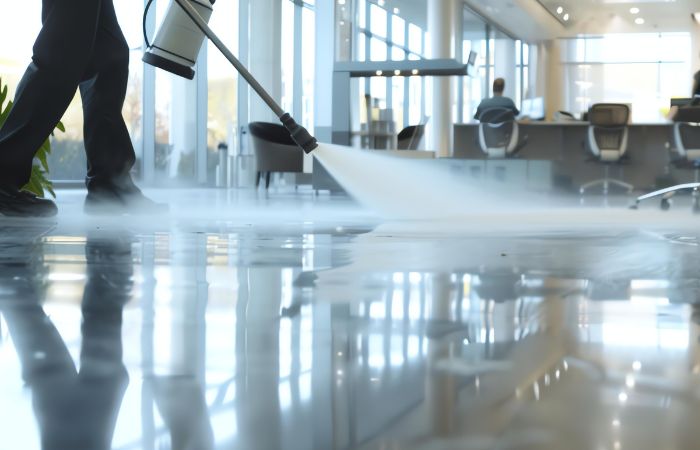
Next, a specialized stripping agent is applied to the floor to break down the existing, compromised finish. Mechanical floor machines equipped with non-abrasive agitation pads are often utilized to gently loosen the old wax without scratching the bare floor underneath. This slurry of old finish and chemical residue is immediately extracted using high-powered wet vacuums, ensuring that no moisture sits on the raw material for an extended period.
Once the surface is completely neutralized and verified dry, technicians apply specialized sealers and topcoats. Using precision applicators, multiple thin layers of residential-grade wax are laid down uniformly. Thin applications are critical; thick coats can trap moisture, resulting in a cloudy, soft finish that scuffs easily. Finally, depending on the specific wax formulation used, a high-speed orbital buffer may be deployed to burnish the surface, hardening the polymer chain and bringing out a deep, clear gloss.
Key Factors to Consider
When planning a residential floor waxing and preservation strategy, homeowners should consider several vital variables:
- Curing and Drying Times: Newly waxed floors require sufficient time to cure before being subjected to heavy foot traffic or furniture replacement. Depending on Atlanta’s ambient indoor humidity levels, individual coats can take anywhere from 30 minutes to several hours to dry, with full chemical curing often requiring 24 to 48 hours.
- Flooring Compatibility: Certain modern flooring materials, such as factory-sealed pre-finished hardwoods or specific laminates, are not designed to accept traditional paste waxes or acrylic finishes. Applying improper formulations to these surfaces can result in a permanent, hazy film that ruins the material's appearance and voids manufacturer warranties.
- Maintenance Routine Adjustments: A waxed floor requires specific daily care to maintain its clarity and defensive attributes. Harsh, abrasive cleaners or highly acidic solutions (such as vinegar-based mixtures) can prematurely strip the wax finish, meaning homeowners must transition to neutral pH floor cleaners.
Common Mistakes and Challenges
Attempting to execute large-scale floor stripping and waxing as a DIY project or relying on untrained domestic cleaning staff frequently leads to severe, expensive property damage. One of the most prevalent errors is chemical over-saturation, particularly on hardwood or laminate surfaces. If stripping solutions are left on the floor too long or are not extracted efficiently, the wood fibers absorb the moisture rapidly, leading to permanent warping, buckling, or wood rot that requires complete floor replacement.
Another frequent challenge is wax buildup and discoloration. Applying fresh layers of wax directly over old, dirty finish without performing a complete strip traps embedded dirt, pet hair, and allergens between the layers. Over time, this cumulative buildup oxidizes, turning into an unsightly, yellowish-brown crust that obscures the natural beauty of the wood grain or stone pattern beneath.
Finally, improper equipment handling can ruin a floor in seconds. Industrial swing buffers and burnishers require precise operational control; an inexperienced operator can easily leave permanent swirl marks, burns, or deep gouges in soft wood or vinyl if the machine dwells on a single spot for even a few moments too long.
How Professional Support Can Improve Results
Caring for high-value residential flooring demands specialized machinery, an understanding of textile chemistry, and precise technique. Partnering with a dedicated floor preservation specialist helps homeowners protect their substantial real estate investments while ensuring pristine, elegant interior living spaces.
Residential spaces feature intricate layouts, custom transitions, and various delicate surfaces. Professional teams utilize specialized, variable-speed residential floor machines and advanced extraction tools designed to operate safely in tight spaces, ensuring uniform deep-cleaning and precise wax application without risking moisture damage to subfloors or baseboards.
Entrusting floor restoration to experienced specialists minimizes operational risks and structural liabilities. True professionals understand how to properly balance chemical pH levels for different flooring types, carry robust liability coverage, and utilize advanced drying techniques that substantially cut down on project downtime, allowing your household to return to normalcy quickly and safely.
Maintaining a brilliant, highly protected floor in an Atlanta home is a continuous process that demands a balance of proper material knowledge, professional-grade equipment, and consistent maintenance scheduling. From defending precious hardwood against regional humidity and red clay grit to restoring the rich, natural depth of gloss in stone and tile, specialized wax floor care remains an indispensable aspect of proactive home management. Whether your home features hardwood, stone, terracotta, or resilient flooring, professional waxing and sealing can help preserve its beauty and durability. Contact our Atlanta floor care specialists today to schedule an assessment and learn how a customized maintenance plan can protect your investment for years to come.
Ready to restore the timeless beauty and protection of your home's floors? Contact Kadosh Services today to request a professional residential floor care consultation tailored to your property's needs.