

The Strategic Value of Commercial Pressure Washing for Atlanta Businesses
June 4, 2026
Residential Wax Floor Care: Preservation & Maintenance Guide
June 4, 2026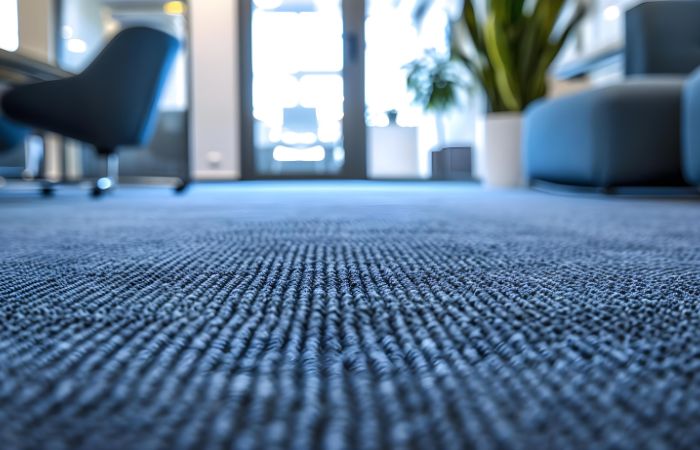
First impressions are critical in a highly competitive market like Atlanta. From the towering corporate offices in Midtown to retail storefronts in Buckhead and hospitality venues near Downtown, the interior of a commercial facility acts as a direct reflection of a company's professional standards. Among the various interior elements, commercial flooring experiences the most consistent wear, with carpets acting as a massive magnet for daily grime, moisture, and tracked-in debris.
Over time, Georgia's high seasonal humidity and frequent afternoon storms lead to unique challenges, such as damp soil being tracked indoors and trapped deep within fabric fibers. When high foot traffic combines with environmental pollutants, standard vacuuming becomes insufficient to preserve a building's interior. Implementing a proactive, professional carpet maintenance strategy is not merely an aesthetic choice; it is a vital operational decision that protects capital investments, ensures a healthy work environment, and reinforces corporate branding.
Quick Answer: Commercial carpet cleaning is a specialized deep-cleaning and decontamination process designed to remove embedded dirt, allergens, microbial growth, and stubborn stains from heavy-duty corporate flooring. For Atlanta businesses, this process safely sanitizes fibers, restores fabric texture, improves indoor air quality, and prevents premature wear, directly extending the lifespan of the asset while maintaining a pristine business image.
What Is Commercial Carpet Cleaning?
Commercial carpet cleaning is an industrial-grade restoration and maintenance process designed to address the deep-seated particulates that daily vacuuming cannot reach. Unlike residential carpeting, commercial carpets are typically constructed from dense, tightly woven synthetic fibers designed to withstand extreme foot traffic. Consequently, cleaning these surfaces requires heavy-duty machinery capable of managing precise water temperatures, pressure levels, and specialized chemical solutions.
The process generally utilizes two primary methodologies depending on the carpet's condition and the facility's operational constraints. Hot water extraction, commonly referred to as deep steam cleaning, injects heated water mixed with specialized detergents deep into the pile at high pressure, instantly breaking down oils and extracting loosened dirt. The second method, low-moisture encapsulation, uses specialized polymers that bind to crystallized soil particles, allowing them to be easily vacuumed away. This latter technique is frequently chosen by organizations requiring rapid dry times to minimize operational disruptions.
Why It Matters to Atlanta Businesses
Operating a commercial facility in Metro Atlanta presents localized environmental factors that accelerate carpet degradation. The region's intense pollen seasons, combined with ambient urban pollution, means that microscopic particles are constantly carried indoors on the shoes of employees and visitors. When these abrasive particles settle into the base of the carpet, they act like sandpaper, slowly cutting away at the synthetic fibers under the pressure of daily foot traffic.
Neglecting deep cleaning sends an unintended, negative message to both clients and staff. A dingy, stained carpet can subtly suggest a lack of operational oversight and attention to detail. Conversely, a clean, well-maintained floor elevates corporate environments, instills confidence in stakeholders, and supports a healthier indoor workspace. Furthermore, allowing deep-seated contaminants to remain unchecked can trigger poor indoor air quality, trapping allergens and musty odors within the textile backing.
How Commercial Carpet Cleaning Works
A professional commercial carpet care program is systematic, thorough, and structured to prevent structural damage while ensuring a rapid return to normal business activities.
The process initiates with a comprehensive site assessment where technicians inspect the layout, identify high-traffic lanes, and analyze specific stains or fiber types. This assessment determines the optimal chemical formulations and water extraction pressures required to treat the flooring safely.
Next, advanced pre-treatments are applied to the carpet surface. These specialized counter-agents work to emulsify grease, traffic-lane soils, and embedded oils, lifting them away from the synthetic fibers. For stubborn spots like spilled coffee, ink, or grease, targeted spot-treatment formulas are manually applied.
Once the soils are loosened, industrial extraction machinery is deployed to thoroughly flush the carpet pile. This step removes both the deeply embedded dirt and any residual cleaning agents, preventing sticky residues that could attract future soil. Finally, high-velocity air movers are strategically positioned to accelerate dry times, protecting the subfloor from prolonged moisture exposure and allowing businesses to resume operations quickly.
Key Factors to Consider
When developing an ongoing commercial flooring maintenance plan, property managers should take several critical variables into consideration:
- Drying Times and Facility Scheduling: Deep extraction requires sufficient airflow and time to cure completely. Professional teams frequently execute these services during off-peak hours, weekends, or overnight shifts to prevent pedestrian interference and protect wet fibers from immediate re-soiling.
- Fiber Composition and Backing: Commercial carpets vary from modular carpet tiles to broadloom options with unique vinyl or latex backings. Applying excessive water or incorrect thermal settings can lead to shrinking, seam splitting, or adhesive breakdown, meaning the cleaning approach must be precisely calibrated to the material.
- Maintenance Frequency: Relying on reactive cleaning, waiting until the carpet looks visibly soiled, often means permanent fiber damage has already occurred. Implementing a scheduled maintenance cycle based on specific facility traffic zones typically yields a significantly longer asset lifespan.
Common Mistakes and Challenges
Attempting to manage large-scale carpet cleaning in-house through janitorial staff using rental equipment often results in severe, long-term property damage. One of the most prevalent errors is over-saturation. When excess water is left behind due to weak vacuum recovery, moisture seeps into the padding and subfloor, creating a prime environment for hidden mold, mildew growth, and persistent, musty odors.
Another frequent challenge is chemical residue buildup. Using incorrect, over-the-counter detergents or failing to properly rinse the carpet leaves a sticky film on the fibers. This film acts as a magnet for dirt, causing the carpet to re-soil at a much faster rate than before it was cleaned.
Lastly, improper stain removal techniques can permanently "set" a spot. Applying high heat or random chemical agents to an unidentified stain can cause a chemical bond with the fiber dye, turning a temporary blemish into a permanent markdown on the property's asset value.
How Professional Support Can Improve Results
Managing commercial real estate requires specialized equipment, deep technical knowledge, and standardized safety protocols. Partnering with a dedicated commercial interior care provider helps organizations safeguard their physical investments while maintaining impeccable facility standards.
Industrial facilities and corporate spaces require tools far beyond standard equipment. Professional teams utilize truck-mounted or high-efficiency portable extraction systems capable of maintaining stable hot water temperatures and delivering immense vacuum lift, ensuring deep decontamination and minimal residual moisture.
Delegating carpet restoration to trained specialists minimizes operational risks. True professionals carry robust commercial liability coverage, understand proper chemical safety guidelines, and execute precise techniques for high-value textiles, allowing your internal teams to remain focused on core business operations.
Ultimately, a structured maintenance routine extends the operational lifespan of commercial carpets, delaying expensive capital expenditures for total floor replacements. By removing abrasive soils and neutralizing microscopic contaminants early, businesses protect their bottom line, improve the occupant experience, and secure long-term property value.
Preserving a immaculate, sanitary commercial environment in Atlanta requires a strategic balance of industrial equipment, material expertise, and consistent scheduling. From enhancing immediate office aesthetics to defending structural fibers and promoting healthy indoor air quality, deep carpet extraction remains an essential element of modern facility management. Making informed, proactive choices regarding flooring care safeguards your brand identity and protects your corporate real estate investment for the future
Ready to revitalize your facility's interior? Contact Kadosh Services today to schedule a professional commercial carpet cleaning assessment tailored to your business schedule.